Background on Disease
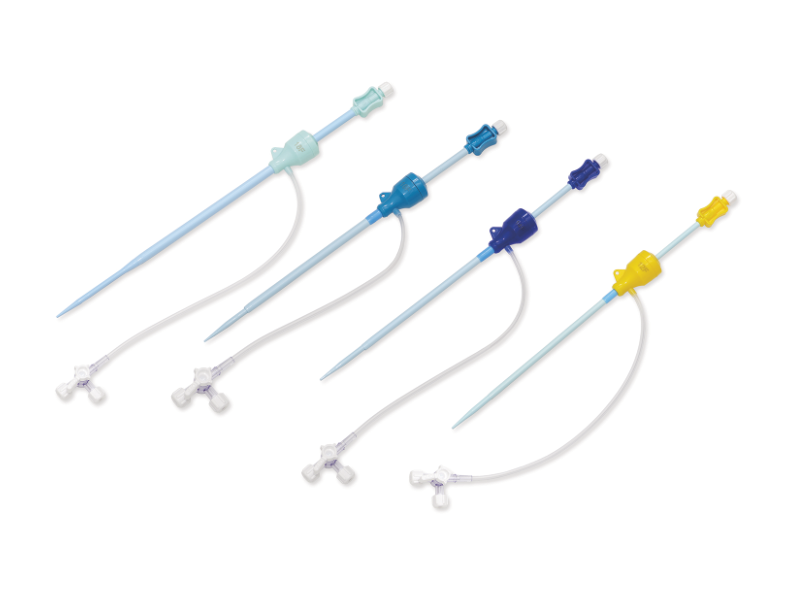
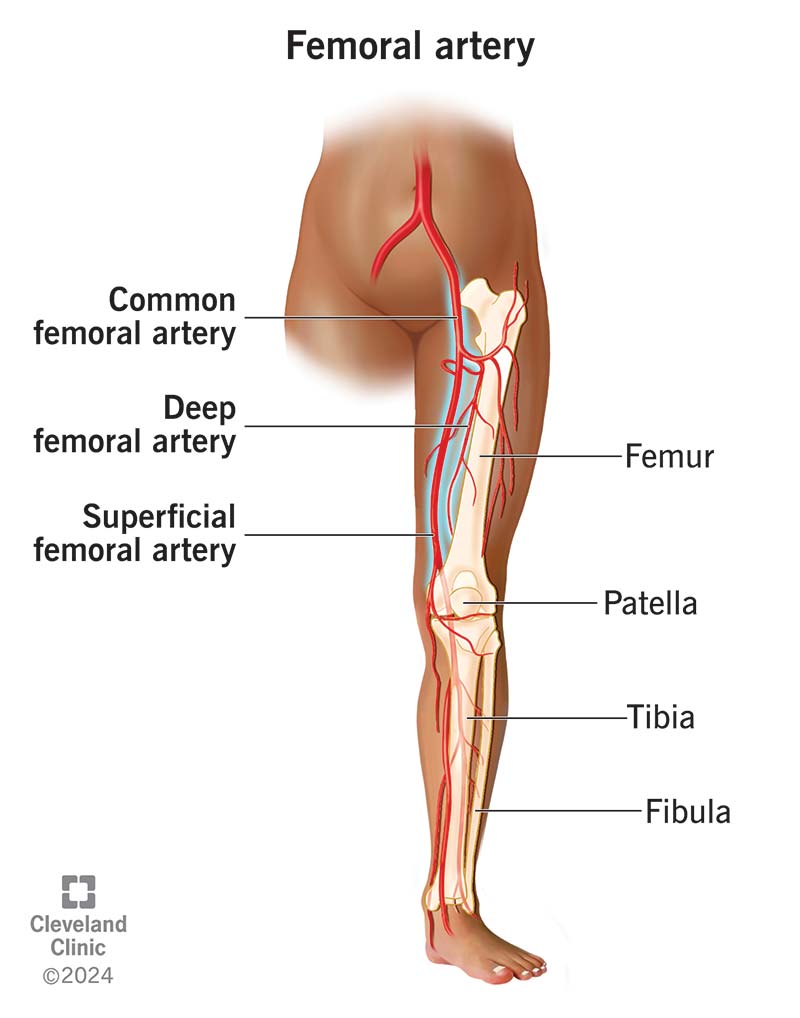
Cardiovascular disease is a prevalent health issue worldwide and a leading cause of death. This has led to the development of several different types of treatments and minimally invasive interventions such as transcatheter aortic valve replacement (TAVR) and endovascular aneurysm repair (EVAR). These processes rely on delivering large medical devices through arteries, typically the femoral artery [1]. During surgery workflow, an introducer sheath is initially placed into the incision and is slowly replaced by sheaths in increasing size until the space is able to pass the medical device. This method is tried and proven; however, clinical studies have shown that large-bore sheaths (22-24 Fr) can cause long-term damage in over 40 percent of patients undergoing transfemoral TAVR procedures due to the dislodging of calcification that increases the chances of stroke and bleeding [1].
Vascular complication risk is strongly tied to sheath-to-artery size mismatch: ratios = 1.05 significantly increase the likelihood of dissection, bleeding, and access failure [2]. Conversely, the use of lower-profile sheaths has been associated with a dramatic reduction in major vascular complications, decreasing rates from 10.5% to 0.5% in matched cohorts [2]. Despite advances in technique, large-bore femoral access (= 12 Fr) continues to pose substantial risks. Contemporary reviews emphasize that these sheaths remain a major source of bleeding, arterial injury, and closure-device failure, even when optimal access strategies are used [3].
Because current sheath technologies continue to contribute to vascular trauma, there is a clear need for innovative expandable femoral artery sheaths that minimize initial insertion diameter while still permitting passage of large cardiovascular devices. Such a design could meaningfully improve patient safety, procedural efficiency, and clinical outcomes in modern minimally invasive cardiovascular care.