.png)
VascXpand

The Problem
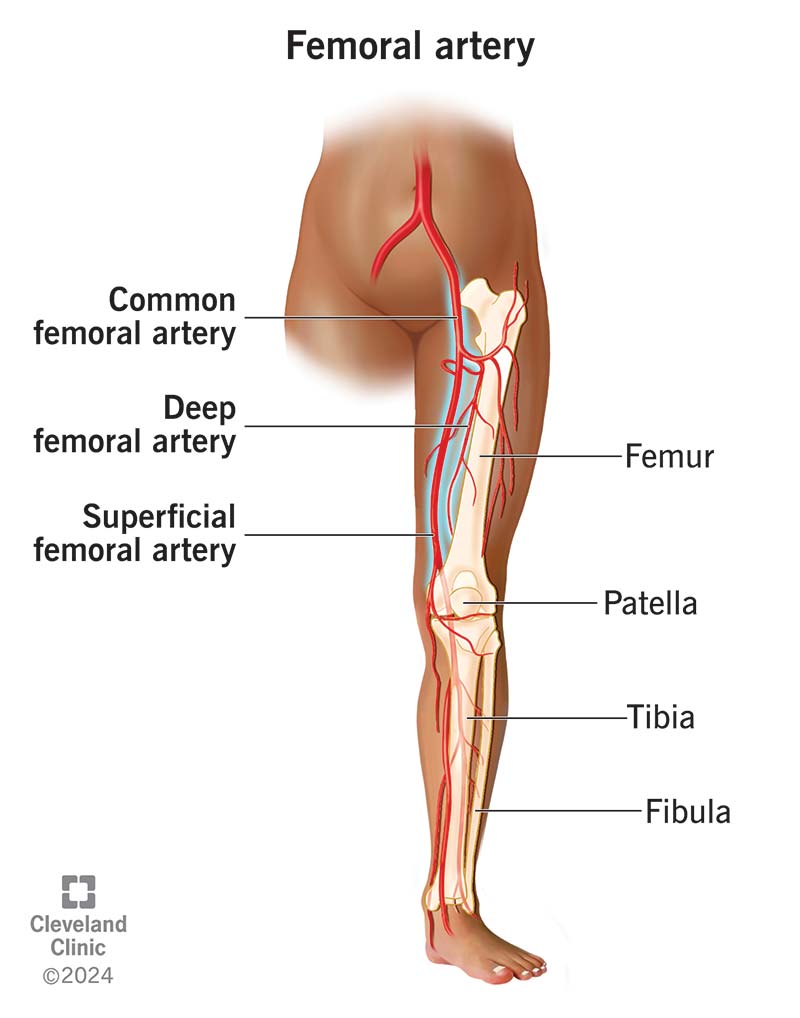
Transfemoral Access and Vascular Trauma
Currently, there is no standard large bore-expandable sheath that can accommodate a wide range of medical devices for minimally invasive cardiovascular procedures on the market. The traditional surgical workflow requires surgeons to swap out introducer sheaths for larger sizes until the medical device can be accommodated. This process comes with significant risks.
Over 40% of transfemoral transcatheter aortic valve replacement (TAVR) patients suffer from long-term arterial damage. This is because large-bore sheaths (22-24 Fr) and the swapping of introducer sheaths can dislodge calcification, increasing risk of stroke and bleeding. Current sheaths are device-specific and the swapping of introducer sheaths during the traditional workflow is time-consuming.
Our Mission
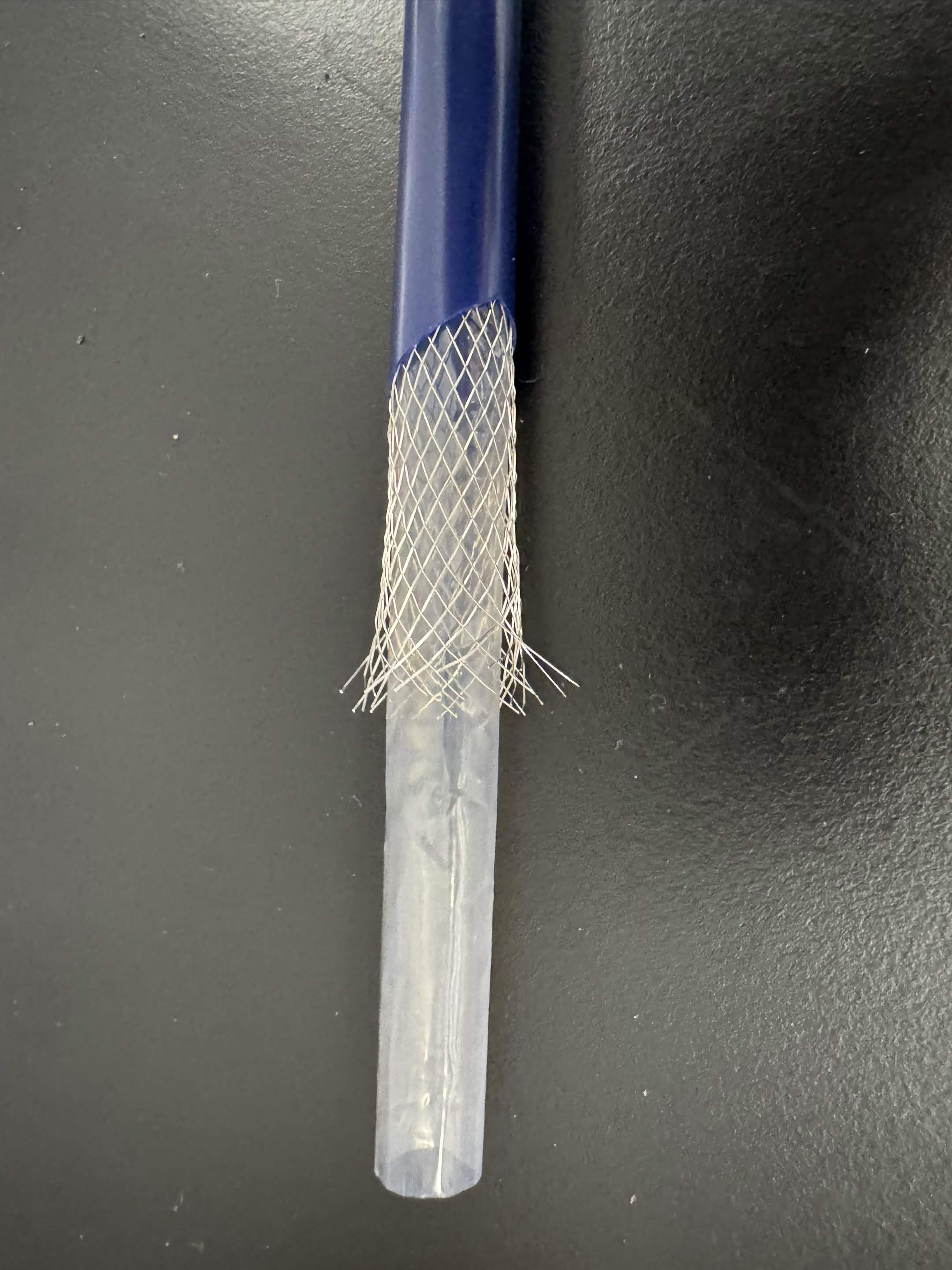
Our solution is a novel expandable femoral artery sheath: one that starts small to safely enter the artery, then expands in a controlled, uniform way to accommodate large medical devices, and finally compresses back down for safe removal.
Think of it like a funnel, but instead of repeatedly swapping sizes mid-procedure, our device adapts in real time.
Our Design
This reduces stress on the artery, minimizes trauma, and streamlines the entire surgical process.What sets our design apart is the sheaths's controlled radial expansion, which directly addresses the root cause of many complications: mismatch between the sheath and the artery. By maintaining arterial integrity throughout the procedure, we aim to make transfemoral access safer, even for high-risk patients who might otherwise be ineligible.
In collaboration with Nidus Biomedical, we are actively prototyping and refining this technology to bring it one step closer to clinical use. VascXpand is giving surgeons better tools, giving patients safer procedures and giving more people the time they deserve with their loved ones.
NextOur Pitch
Learn more about VascXpand, our mission, and how our expandable femoral artery sheath technology improves transfemoral access procedures.
Connect with Us
We are changing the outcomes of TFA procedures for all patients